
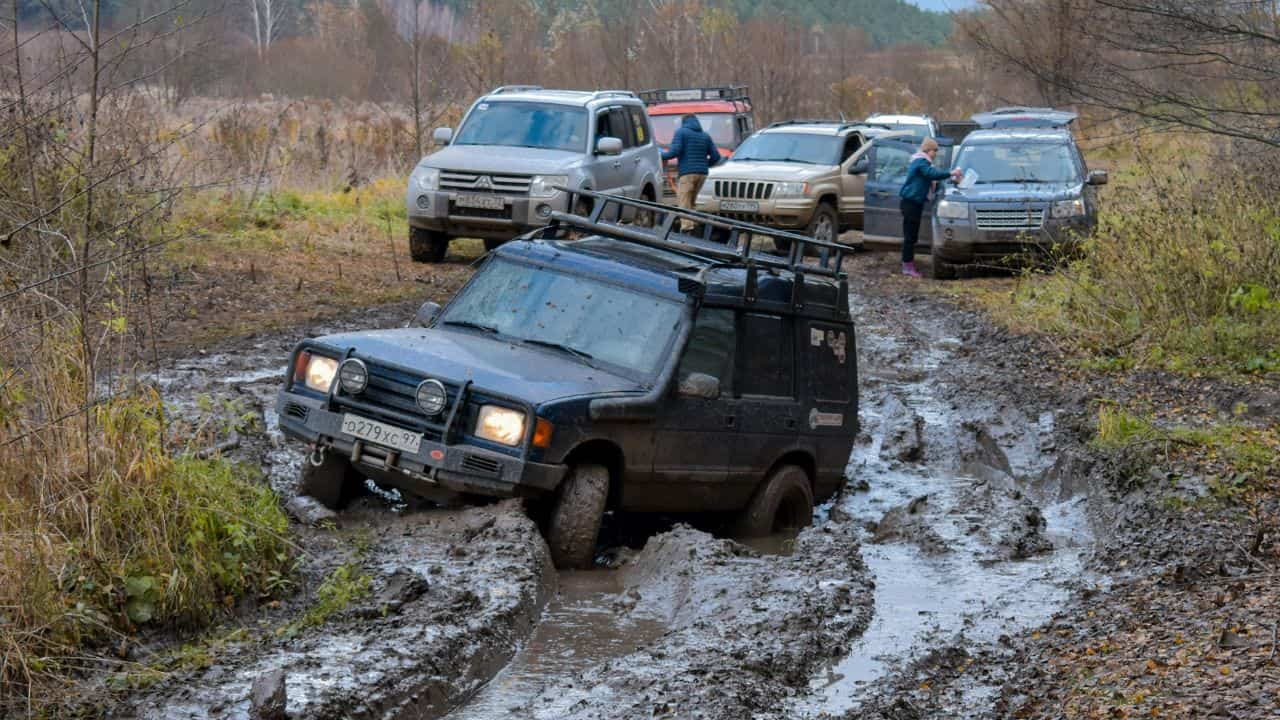
Avoid getting stuck on rough terrain with practical soft-surface driving tips from Tuber Towing. Whether you’re tackling sand, mud, or dirt roads, these tips will help keep your trip on track, and if you do get stuck, you’ll know what to do next.
6 Essential Soft-Surface Driving Tips
Inspect the Road Ahead
Before you head out, take a moment to assess the road conditions. If the ground ahead looks soft or unstable, park and check it on foot first. This lets you gauge the surface accurately and plan your route. Watch for loose sand or muddy patches and adjust your driving strategy accordingly. Taking the time to inspect the road ahead can significantly reduce the risk of getting stuck.
Drive Straight
When navigating rough terrain, keep as straight a path as possible. Curves and turns raise the chance of getting stuck, especially on soft surfaces. Once you’ve assessed the road, map out a straight-line route. This lowers your risk and helps you keep better control of the vehicle.
Keep Steady Momentum
Maintaining steady momentum matters most in areas where getting stuck is a real possibility. Avoid shifting into low gear too soon, since this can cause your wheels to spin and lose traction. Aim for a continuous, slow pace instead. If your wheels start spinning, ease off the throttle to let them regain traction. In sandy conditions, low gear can help, especially in the early morning when the sand is firmer, but use it only after you’ve built steady momentum.
Watch Where Your Wheels Are Pointing
On soft surfaces, pay attention to where your wheels are pointing, especially if the road has ruts. Tires naturally follow the path of least resistance, which often means settling into existing ruts. Try to keep your wheels pointed straight ahead, aligned with the direction of any ruts you encounter. This small adjustment helps you navigate more effectively.
Deflate Your Tires Slightly
Slightly deflating your tires improves traction on soft surfaces. Lower tire pressure increases the surface area in contact with the ground, improving grip and stability, particularly in deep sand, mud, or loose dirt. Be careful not to deflate too much, since this can cause handling issues elsewhere.
Avoid Sudden Braking
In sand or mud, avoid using your brakes as much as possible. Sudden braking can cause your vehicle to dig into the soft surface and create a rut that’s harder to move out of. Slow down gradually instead and let your vehicle come to a natural stop.
What to Do If You Get Stuck Anyway
Even careful drivers get stuck sometimes. If it happens, a few steps can keep the situation from getting worse.
Stop Spinning Your Wheels
The moment you feel your vehicle losing traction, stop accelerating. Continued wheel spin digs the tires deeper into sand or mud and turns a simple recovery into a harder one.
Check What You’re Dealing With
Get out and look at how the vehicle is sitting. A wheel spinning freely in loose sand is a different problem than a frame resting on packed mud, or a trailer settled at an angle like the one our crew handled during a flatdeck camper recovery in extreme cold. Knowing what you’re dealing with tells you whether basic self-recovery is realistic or whether it’s time to call for help.
Try Basic Self-Recovery First
Traction boards, a shovel to clear built-up sand or mud from around the tires, or reducing tire pressure further can sometimes be enough to get moving again. Rocking the vehicle gently between forward and reverse, without spinning the tires, can also help with a lighter soft-surface stuck.
Know When to Call for Recovery
If self-recovery attempts aren’t working, or the vehicle is a heavier truck or heavy-duty vehicle that needs proper equipment to move safely, it’s time to call for help. Search towing near me or contact us directly. Tuber Towing provides recovery services across the Edmonton region for exactly these situations.
Prepare Before You Head Out
Carry Basic Recovery Gear
A shovel, traction boards, and a tire pressure gauge take up little space and make a real difference if you get stuck. Fleet operators managing multiple vehicles on job sites benefit from keeping this gear standard across their fleet vehicles.
Check Conditions Before You Go
Recent rain or snowmelt changes how a road behaves fast. What was firm ground last week can be soft and unpredictable today. Cold snaps bring other risks too, including the sudden battery failures covered in our Spruce Grove jumpstart guide. A quick check on recent weather before heading into an unfamiliar area adds one more layer of preparation.
Staying Safe on Soft-Surface Roads
Driving on soft surfaces takes care and the right technique. Watch the road ahead, stay on a straight path, keep steady speed, and track your wheels’ direction. Slightly deflate your tires, avoid sudden braking on rough terrain, and carry basic recovery gear in case things don’t go to plan.
At Tuber Towing, we understand the challenges that come with driving in rough conditions. Whether you’re stuck or need help on the road, our team is ready to help, providing recovery services across the Edmonton region. Reach us day or night at 587-59-TUBER (587-598-8237) for towing and recovery needs.